 720-965-7925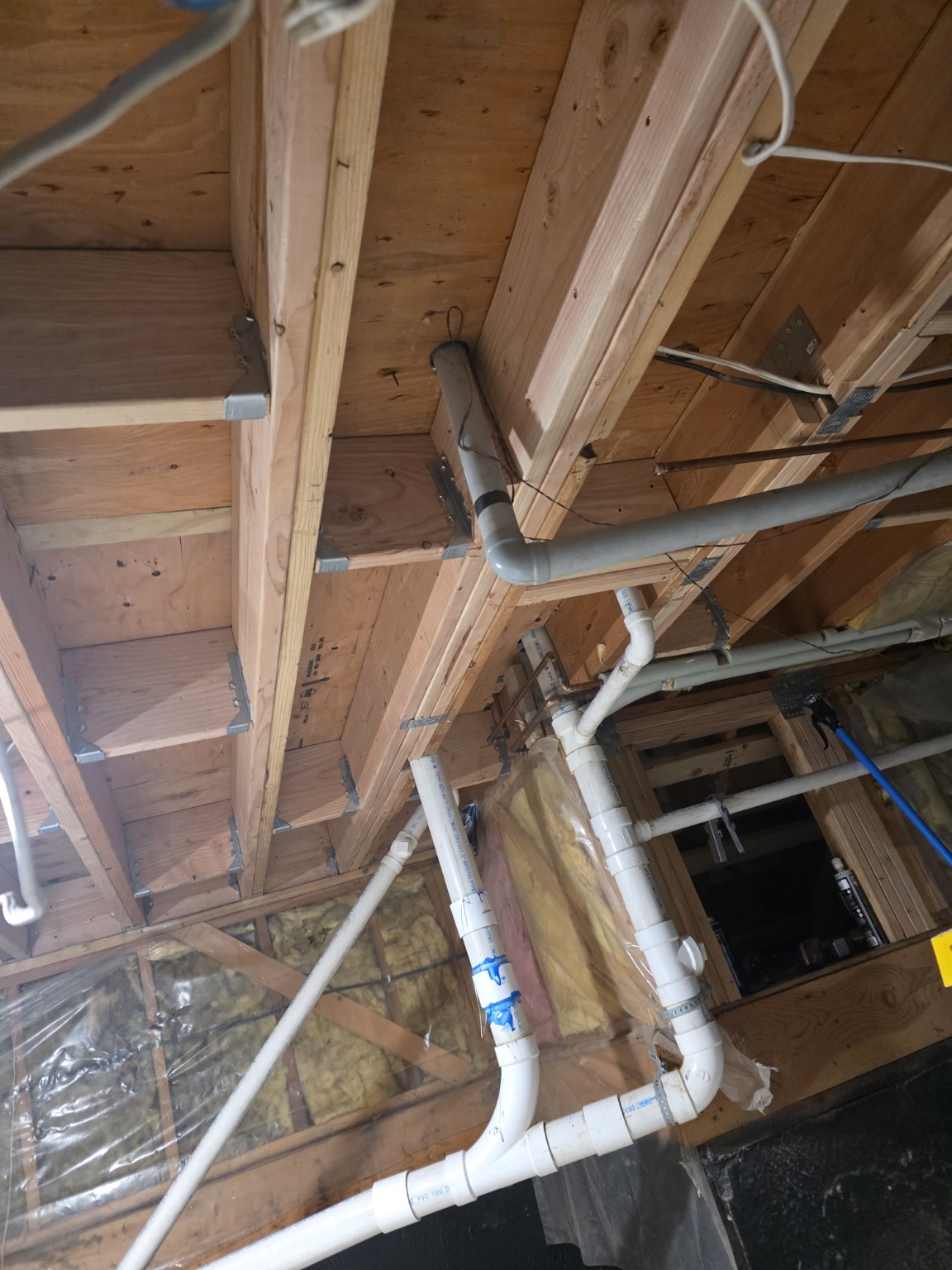
Floor framing and support correction
Fix the structure beneath the sagging floor.
New Beginnings traces soft, sloping, or bouncing floors back to the joists, beams, posts, supports, and foundation conditions carrying the load.
Owner-operatedDirect accountability from Chase White
Real project experienceStructural and water-control repairs
Defined scopeClear boundaries and controlled changes
Conditions we address
Know the warning signs.
- Floors that slope noticeably across a room
- Soft, springy, or bouncing floor areas
- Cracked finishes above failing framing or supports
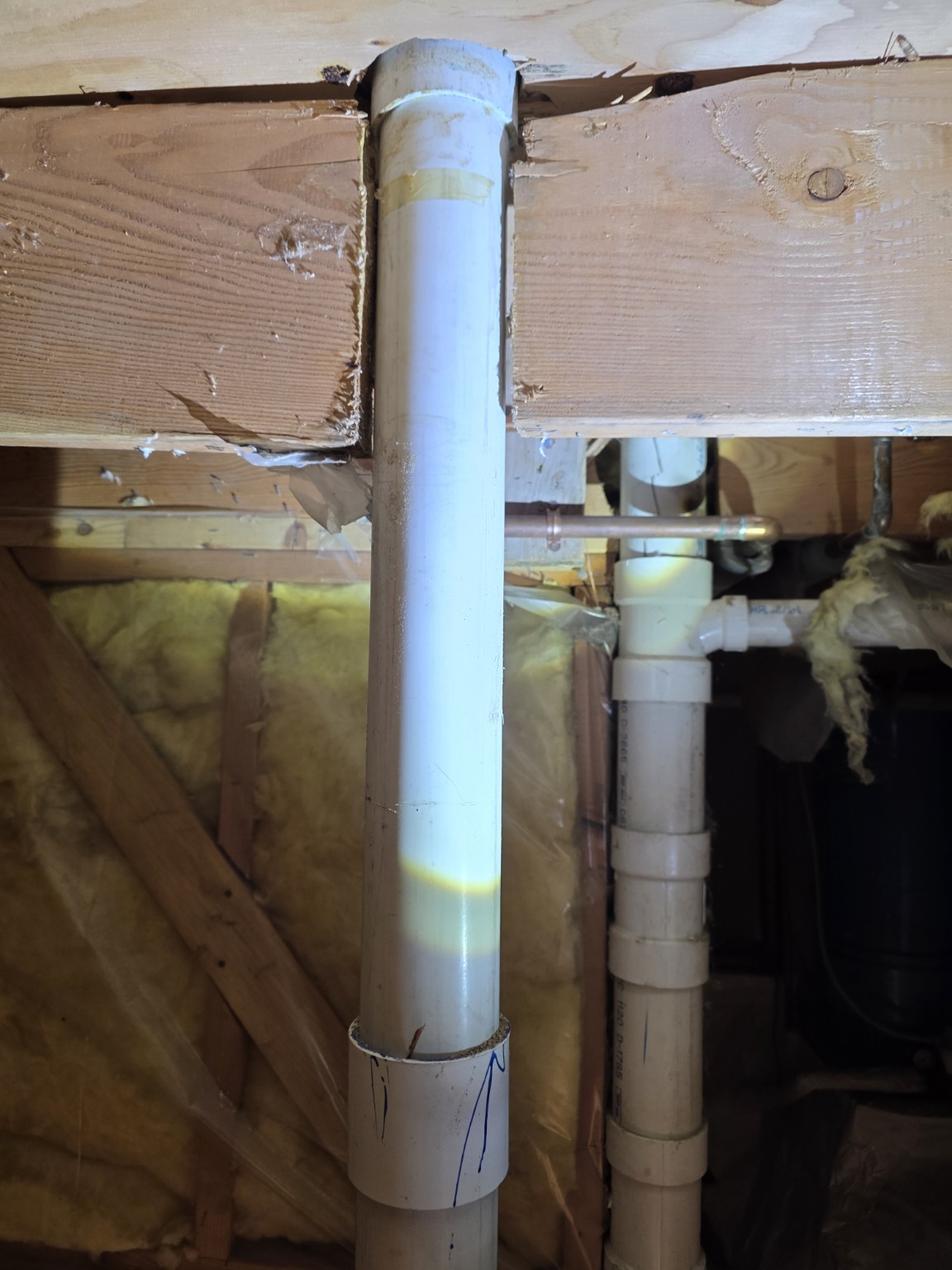
- Damaged, cut, over-spanned, or weakened joists
- Temporary posts or supports that were never corrected
Defined repair scope
Work planned as a complete system.
Temporary support and controlled sequencing
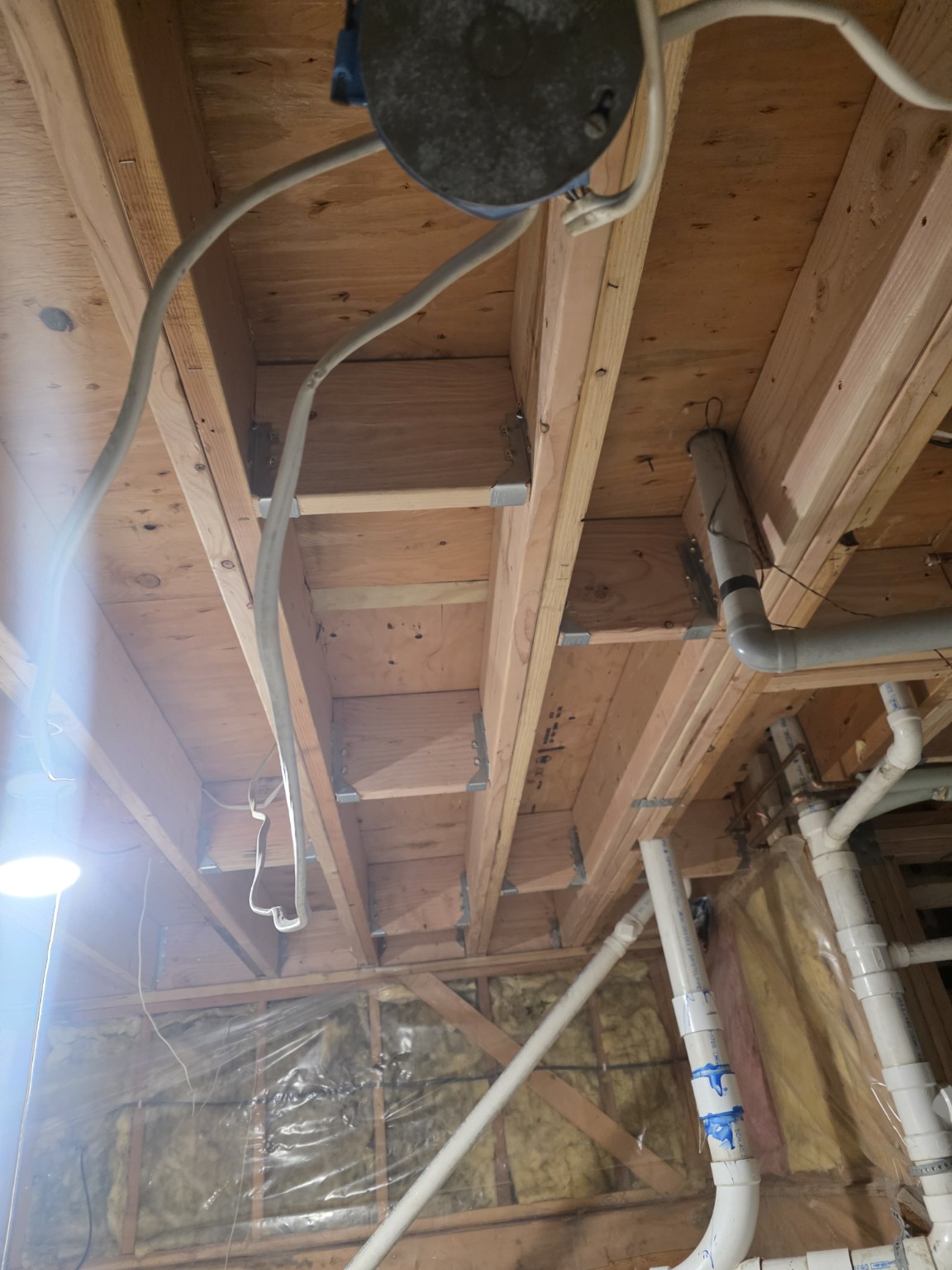
Joist sistering, blocking, and connector corrections
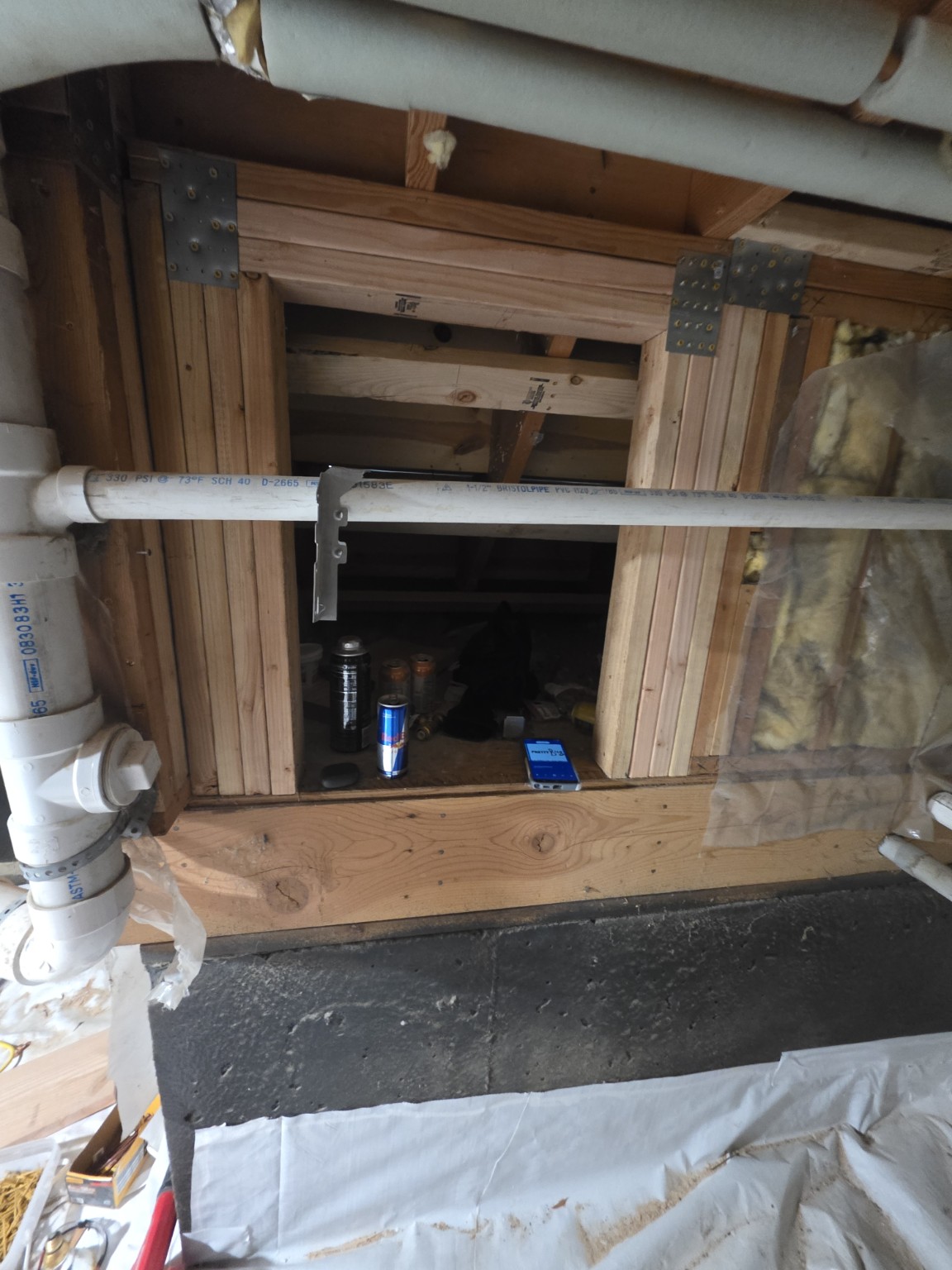
Beam and permanent-post repair or replacement
Documentation and finish restoration by written scope
The New Beginnings process
Clear from assessment to walkthrough.
- 01
Document the floor symptoms, framing layout, supports, access, and visible foundation conditions.
- 02
Define whether the repair belongs at the joists, beam, posts, foundation, or a combination of those components.
- 03
Support the affected area, complete the approved correction, and document the finished structural work.
Local contractor coverage
Sagging Floor Repair across our Colorado service area.
Straight answers
Frequently asked questions
What causes floors to sag or feel soft?
Possible causes include damaged or over-spanned joists, failed beams or posts, interrupted framing, moisture damage, foundation movement, or supports installed without a proper load path. The visible framing must be assessed before choosing a repair.
Can a sagging floor be repaired from the crawl space or basement?
Often, yes. Access from below may allow joist, beam, post, blocking, or connector work with less disturbance above. The final approach depends on access and the actual cause of the movement.
Talk directly with the contractor
Start with the real condition of the project.
Call New Beginnings to discuss the warning signs, access, urgency, and next step.